
Targeted Industries
Xenecore’s applications are more than suitable for a myriad of products and industries and Xene Corporation is especially targeting six key industries for its high-tensile strength/lightweight carbon composite material – Sporting Goods, Bicycle Frames and Equipment, Automotive, Aerospace, Marine and Wind Turbines.
Sporting Goods
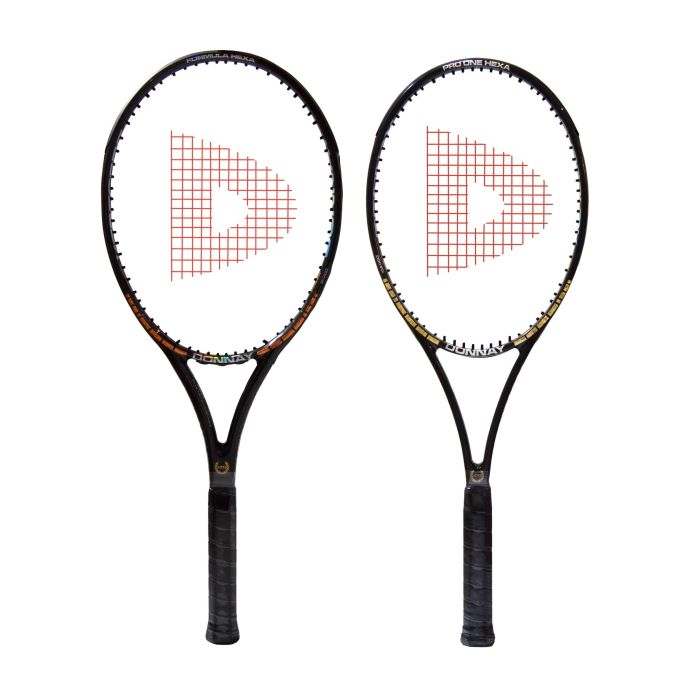
Xenecore got its start with tennis in 2009. Founder Jerry Choe was seeking a cure for a debilitating case of tennis elbow, the result of playing with conventional hollow tennis racquets that amplify shock and vibration when the racket strikes the ball. He discovered a multi-core carbon composite that could be injected into the mold of a tennis racket to create a dampening solid core and called it “Xenecore.”
“Xenecore is actually part of the structure and that’s what makes it special,” he says. “It is both a material and a carbon-molding technology that eliminates those vibrations while also enhancing performance and power. He called the material and the manufacturing process “Xenecore” and began selling them worldwide under the “Donnay” brand.
With Xenecore’s high-shock absorption, parts can be manufactured with more comfort in mind. Players’ hands, arms and shoulders are shielded from ball impact. Its high strength to weight ratio means that parts can be made lighter without compromising strength increasing the agility and accuracy of any shot. Other sporting goods products that can be made with Xenecore are softball bats, rowing paddles and head-protective gear.
Bicycle Frames and Equipment
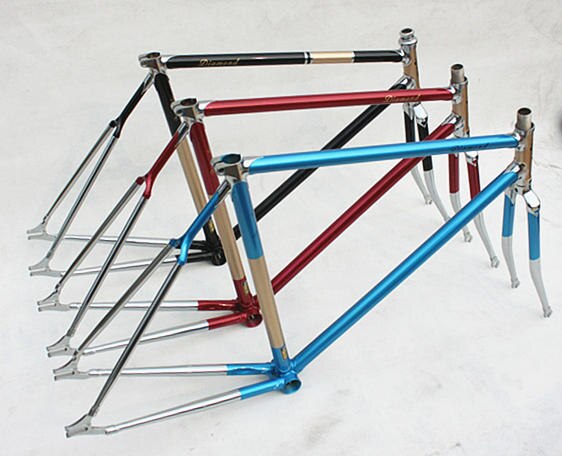
Staying within the sporting goods category, Xenecore’s next application was the high-end bicycle industry that has been long obsessed with building bikes that have ultra-lightweight without sacrificing comfort, strength and durability. Xenecore is at the heart of all three of those bike builders demands and it is now integrated in frames by several bike manufacturers, including LeMond Bicycles of West Knoxville, Tenn. Headed by Tour de France champion Greg Lemond, a pioneer in the use of carbon fiber bicycle frames,” Lemond chose Xenecore for his revolutionary LaMonde 8.”
The frame has what Lemond calls and shore up the body copy between calls and “MatrixCore,” which according to a story in Cyclist, “is expanding foam made by Xenecore that has been filled into the frame and fork…to increase strength, durability and stiffness while also helping to damp road buzz, al at a much lower weight penalty than carbon fiber.”
8 road bike is “the most transformative change to carbon fiber frame construction,” Greg LeMond told the webzine Rumourbike, “since the first carbon bike frames of the ‘80s and ‘90s.” It is expected to on sale later this year or early 2024.

Wind Turbines and Wind Energy
Xenecore’s most ambitious project so far has been its entry into the Wind Energy/Wind Turbine industry with its new “Fanturbine.” Its fan-shaped wind blades capture an unprecedented 98% of the prevailing wind and turn it into electricity. That’s triple the amount of wind-capture capability of the traditional aero-shaped wind turbines.
The company began selling a 5-kilowatt home and office model in 2022 in Central and South America and plans to market it globally by the end of this year.
The Fanturbine is manufactured in a one-step compression molding process to maximize strength and stability for resisting winds up to 376 miles per hour, considerably higher than hurricane speeds. And it only needs a start-up wind of 1 mile per hour, as opposed to the conventional aero-blade systems that need at least a breeze of 6 mph.
“Wind energy with aero blades has a rightfully bad reputation of not generating enough power, breaking in high winds and are a threat to flying wildlife,” says Jerry Choe, Xene Cororation CEO.
“The Fanturbine eliminates those concerns by running at a whisper-quiet level and is completely visible to flying wildlife, because of its large 8-feet-by-by 8-feet dimensions. Yet the home unit only weighs 35 pounds and can be easily mounted on a rooftop of a home or business.
Xenecore’s ultimate goal is to build a 1 GigaWatt turbine that could eliminate electrical and home heating costs for 750,000 homes or offices. Read more on the Fanturbine here.
Aerospace
Xenecore’s high strength-to-weight ratio means parts can be manufactured much lighter than other composite technologies aiding in the flight characteristics of the designed part. Its solid cores are designed with shock absorption in mind, reducing vibration, leading to a quieter more comfortable ride and longer life in the parts as well as increasing the sensitivity of diagnostic equipment. Some parts that can be made with Xenecore are: nose cones, wings, rudders, propellers etc
Automotive
With Xenecore’s high strength to weight ratio parts can be manufactured to be lighter and stronger without compromising either. Its solid cores mean that parts can be manufactured lighter than with other composite technologies without compromising strength, rigidity, or structural integrity. It is also possible to manufacture parts with more strength in mind to increase safety levels of automotive parts. Xenecore’s solid cores are built with shock absorption in mind, reducing vibration, leading to a quieter more comfortable ride. The reduction in vibration also increases parts longevity. Some parts that can be made with Xenecore are: doors, hoods, bumpers, bodies, seatbacks, airbag housings, b pillars, door crossbeams and bumper beams.

Marine
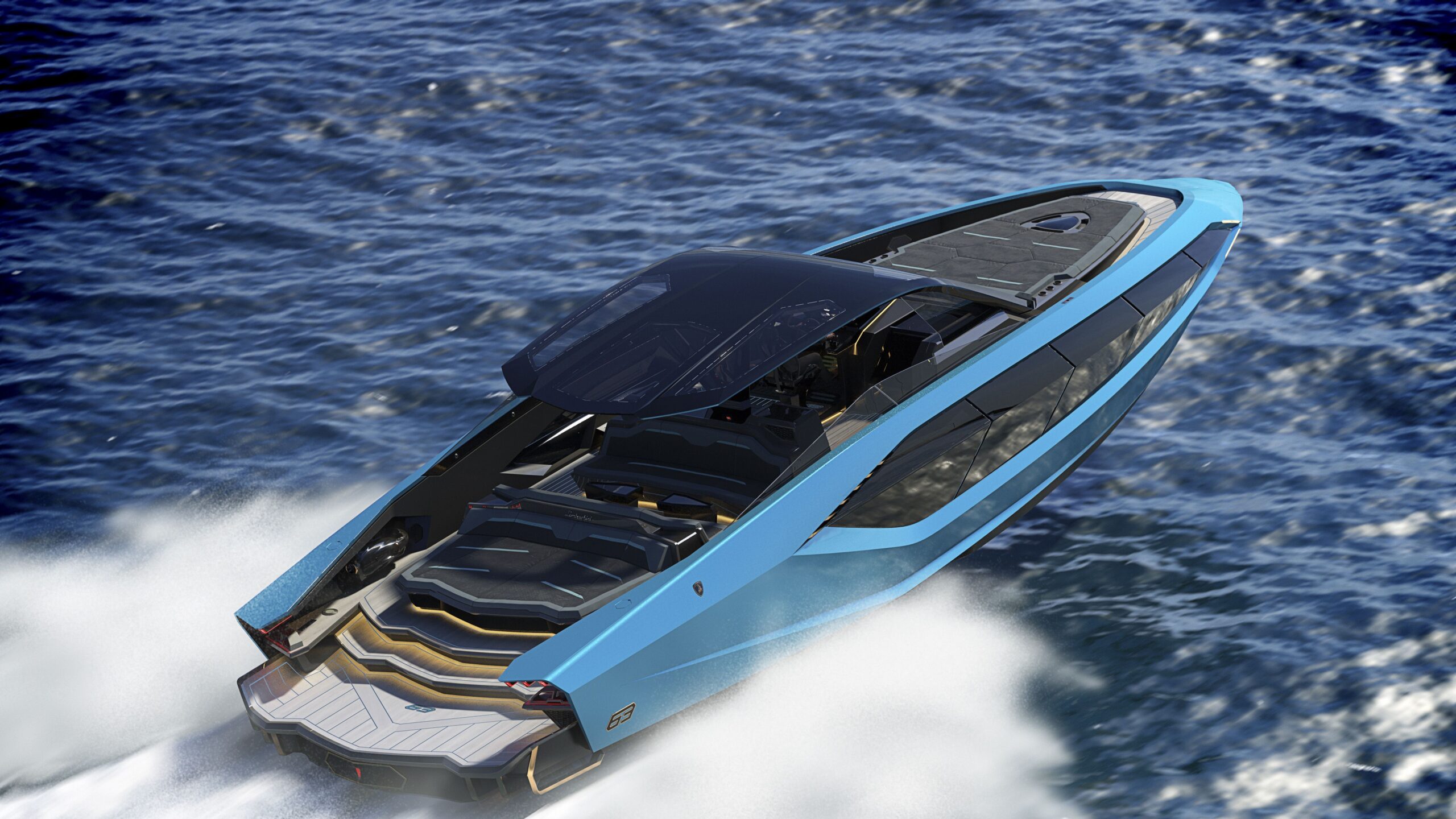
Parts can be made much lighter than with other composites without compromising any strength. This leads to much more buoyant parts with incredible strength. Its shock absorbing qualities means parts can be made to be quieter and more accurate as well as increase comfort and longevity of parts. Some parts that can be made with Xenecore are: rudders, propellers and hulls.